

QUANTUM SIMULATION
OUTLINE
Quantum simulation using neutral Ytterbium atoms
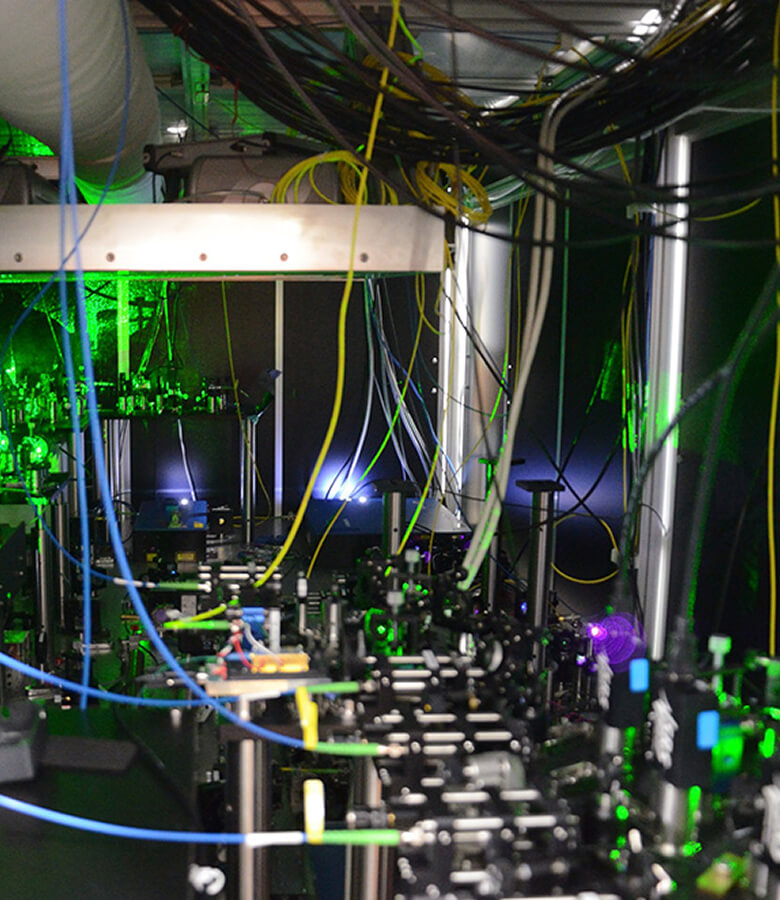
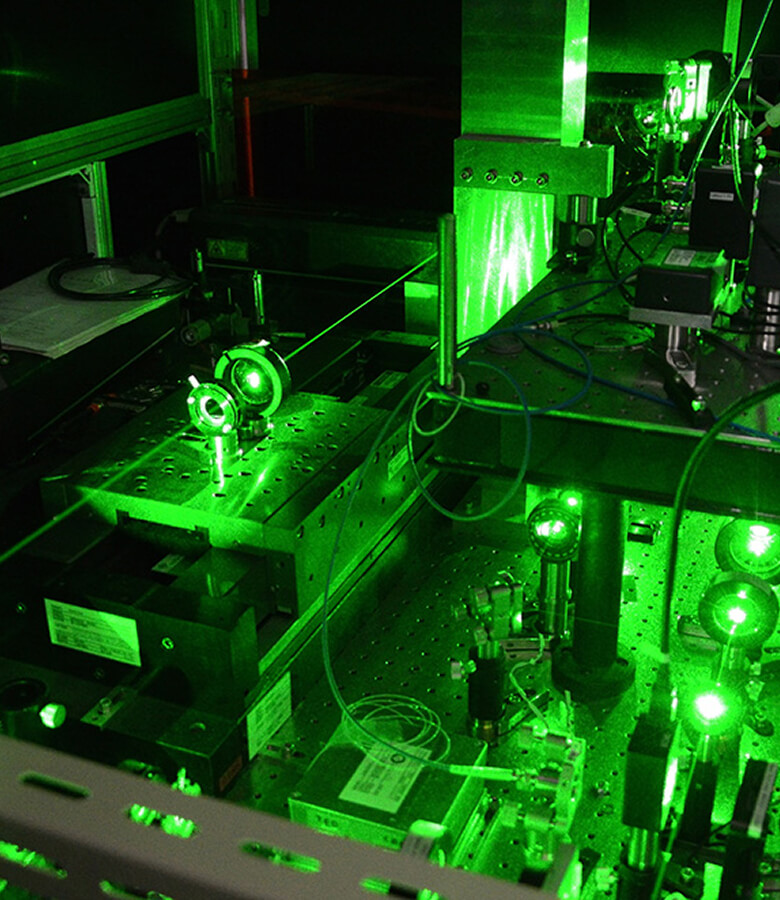
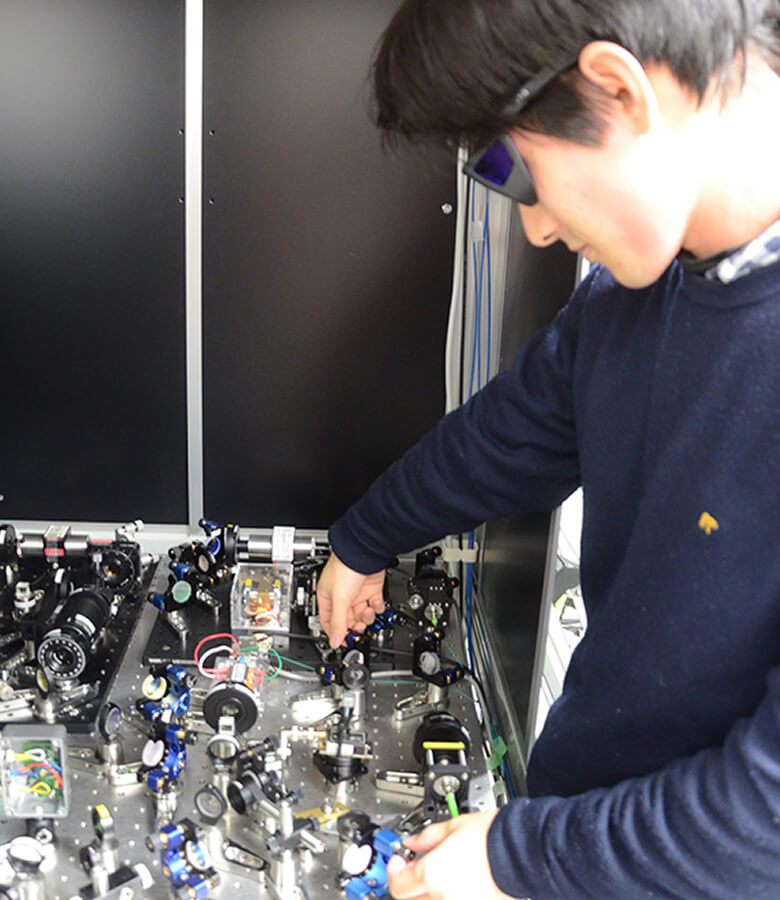
The momentum of research of laser-cooled quantum degenerate gases continues to grow at a very rapid pace. One of the most remarkable systems is the introduction of ultracold atomic gases into a periodic potential formed by light, called an optical lattice. This system follows the Hubbard model, which was introduced to explain the behavior of strongly correlated electron systems in solids, such as superconductivity and magnetism. The ultracold atoms in the optical lattice can be used to “quantum simulate” strongly correlated quantum many-body systems.
Here, simulating a quantum system using another quantum system with good controllability is called as quantum simulation, following Dr. Richard Feynman. In recent years, quantum simulation research using optical lattices has reached a mature level, and many groundbreaking results have been reported. While most of the previous studies have focused on the so-called Bose-Hubbard model for bosons, more recent work has been done on fermions. Considering that the main stage of strongly correlated quantum many-body systems has so far been electrons in solids, quantum simulations have a deeper meaning. In addition, the research has also covered systems that do not exist in conventional solid-state systems, such as mixtures of bosons and fermions. From the viewpoint of quantum simulation, our primary interest might be to study quantum systems that reproduce models describing real matter, but it is also possible to realize completely new systems that do not have any other counterparts by using laser-cooled atom systems. The exploration of new physical phenomena occurring in such systems is as significant as or more significant than the quantum simulations in the narrower sense described above.
CURRENT FOCUS
01
The SU(N) Hubbard model with a higher symmetry more than the spin-1/2
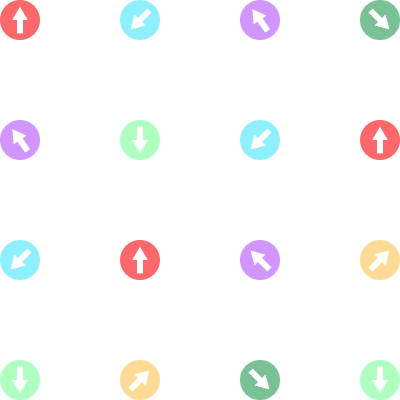
02
Non-equilibrium quantum dynamics
03
Quantum many-body systems with controlled dissipation and atomic loss
Thus, the system of ultracold atoms in an optical lattice is expected to develop as an ideal field to explore unexplored problems and new quantum phases that have never been explored before.
We are also developing a quantum gas microscope as a further development of quantum simulation. This microscope can observe each atom individually and has the potential to observe new physical quantities only possible with Yb atoms.
Our quantum simulation group continues to challenge new research themes at a relatively fast pace, through discussions with our condensed-matter-theory collaborators. Please check our publications for the latest information.
FOR
UNDERGRADUATE
The Quantum Optics Group welcomes undergraduate students who are interested in visiting our group.